The first thing a good company asks
When you call about a factory-built fireplace, the first useful question from the other end is: what does the rating plate say? A company that asks for the maker and model before it quotes understands that the repair depends on the unit. A company that quotes a price for "fixing the firebox" without asking is pricing a brick fireplace.
That single question sorts most of the field. The rest of this post covers what else to look for when you hire someone to inspect, repair or replace a prefab fireplace in Artesia or the cities around it, and what a quote from Driscoll Chimney Solutions contains so you can compare it with others.
Why the trade matters for these units
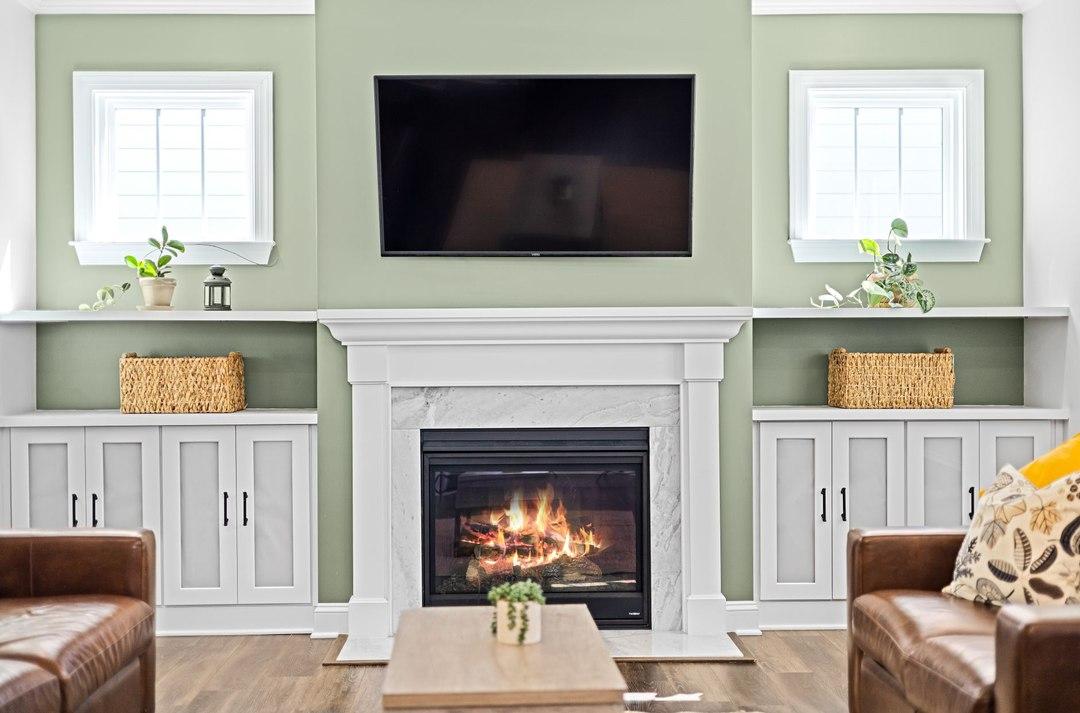
Factory-built fireplaces arrived in Southern California tract building in large numbers from the 1970s on. They are steel fireboxes lined with refractory panels, vented through listed metal pipe, and boxed in by a wood-framed chase. The maker tested each model as a set and published an installation manual that says which parts may be used and how close the unit may sit to framing.
Plenty of people who work on chimneys learned on brick. The skills overlap but are not the same. Brick work is about mortar, crowns, flue tile and flashing. Factory-built work is about parts lists, air gaps, pipe series and clearances. A strong mason can still do the wrong thing to a metal unit while meaning well, for example parging over cracked panels or sealing a gap that was meant to stay open.
What the visit should cover
Whoever you hire, the visit for a factory-built fireplace should include:
- Reading the rating plate and writing down the maker and model.
- Checking the refractory panels against the manual's limits on cracks and wear.
- Testing the damper and looking at its blade, spring and cable.
- Confirming the glass doors, grate and any gas logs are allowed for that unit.
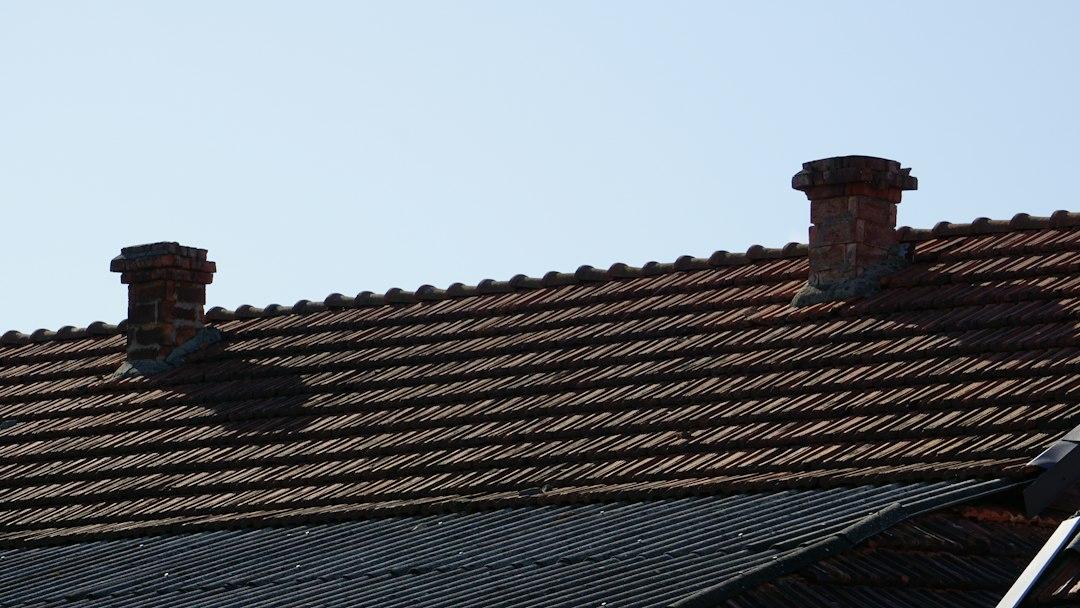
- Looking at the chase top, storm collar and cap from the roof.
- Running a camera up the pipe when there is a stain, a smell, an overheat, a sale or a quake.
- Checking clearances in the attic where the pipe passes through.
If a company skips the roof or the plate, the report has a hole in it.
What decides the next step
Once the inspection is done, three things shape what you hire for:
What failed. A panel set or damper part is a repair. A separated pipe joint is a repair with attic access. A unit warped by overheating is usually a replacement.
Whether the parts exist. Current models have parts. Some older models do not, and the choice becomes a listed substitute, a new unit, or leaving the fireplace closed.
What you plan to burn. If you want to keep wood, the repair follows the original listing. If you want gas, the question is whether a listed insert or a new gas unit suits the opening.
That is the point where a quote makes sense. Tell us the model on the rating plate, what you have noticed and whether you want to keep burning wood, and we will say which visit to book first.
What a quote should name
A quote you can compare line by line should list:
- The maker and model of your fireplace.
- Each part by name and location: "refractory side panels, both sides", "damper cable", "termination cap for the pipe series", not "fireplace repair".
- Whether each part comes from the original maker or is a listed substitute.
- Any roof or attic access the job needs.
- What happens if the part turns out to be unavailable.
- Which items have a fixed price and which are estimated until opened.
Our quotes are laid out that way. Where we publish a price, the quote uses it: $55 for a Level 1 visual inspection, $395 for a Level 2 camera inspection, from $420 for a sweep, quoted after we measure for a cap. Everything else is written for your unit after we have seen it.
Signs a quote is pricing the wrong fireplace
- No mention of the maker or model.
- Mortar, cement or masonry repair listed for a steel firebox.
- A cap or door "that fits most units".
- A gas insert proposed without saying whether it is listed for factory-built fireplaces.
- No roof work on a job about water.
- A large price with no line items.
None of these mean the company is dishonest. They mean the quote does not show enough to judge.
Comparing two quotes that look far apart
Two quotes for the same fireplace can differ by a lot, and the cheaper one is not always cutting corners. Often the difference is scope. One company prices the panels only; the other adds the chase top it saw rusting on the roof. One quotes a universal cap; the other quotes the listed cap for your pipe. Lay the quotes side by side and match the lines. Where a line appears on one and not the other, ask why. If a company did not go on the roof, its quote cannot include the top of the chimney, and that is often where the water and the cost sit.
What you can expect from us
We work on factory-built and brick fireplaces, so we will tell you which you have if the house has a mix. In Artesia, Cerritos, Bellflower and Compton, we often find both in one home: a brick fireplace in the original room and a metal unit in an addition.
On every visit we read the plate, inspect hearth to cap, and give you a written report with photos of each finding. The quote follows the listing. If we think the unit should be replaced instead of repaired, we say why and price both. The person who books the visit decides who else gets the report.
Related reading and services
If a home sale is coming up, the home sale inspection page explains what changes when a buyer is involved. If you are weighing a gas conversion, read our comparison of repair and gas inserts. For the services themselves: fireplace inspection, fireplace repair and fireplace inserts.
To put our quote beside the others you have, start with the contact page.
Prefer a Technician Reads the Plate for You?
Driscoll Chimney Solutions identifies the maker and model, checks each listed part from the panels to the chase top, and quotes the fix in writing. Book from Artesia, Cerritos, Bellflower, Compton or a nearby city.