The cap on a metal chimney is part of the system
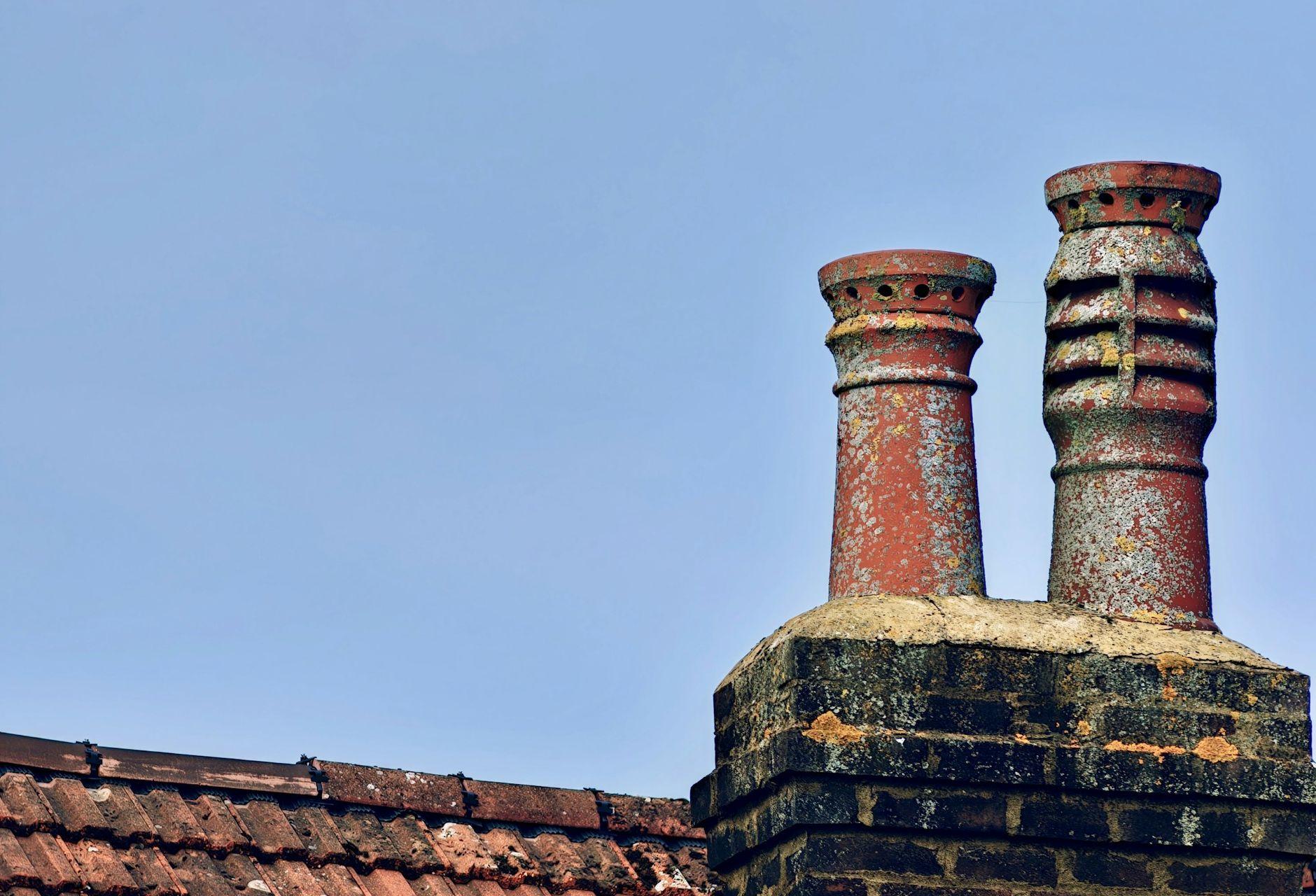
On a brick chimney, a cap is a hood over a clay flue, and many caps fit many chimneys. On a factory-built chimney the cap is the last listed piece of the pipe. It locks or screws onto the top section, it is sized to that maker's pipe diameter, and its shape controls how air moves through the outer layers of the pipe. A cap from a different brand, or a masonry cap clamped over metal pipe, changes how the chimney was tested.
That is why the price for a prefab chimney cap depends less on the metal and more on finding the right one. Driscoll Chimney Solutions fits these caps on houses in Artesia, Cerritos, Bellflower, Compton and the streets between, many of them on chases built when the tracts went up.
How we price a cap
A termination cap matched to the pipe, supplied and fitted, is quoted after we measure. The factors in the next section set the price.
Other figures that often come up on the same visit:
| Item | Price |
|---|---|
| Camera run of the pipe, attic and chase (Level 2) | $395 |
| Look at the cap, chase top and firebox from roof and room (Level 1) | $55 |
| Tracing and stopping water that has already got in | $565 to $3,350 |
A chase top, the sheet-metal lid the cap sits on, is quoted separately in writing, because its size and shape depend on how the chase was framed.
What sets the cap price
The pipe maker and series. Common series have caps that are easy to source and cost less. Older or discontinued pipe may need a cap the original maker no longer stocks, and then we look for a listed replacement or a transition the listing allows. That search and the part cost push the price up.
The diameter. Larger pipe means a larger cap and more metal.
The roof. A single-storey house with a low-pitch roof is a short ladder job. A two-storey chase on a steep tile roof needs more setup, roof protection and time.
What the old cap left behind. If the old cap rusted off, the top pipe section may have rusted too. If the storm collar is loose or the chase top is pooling water around the pipe, those parts need attention before a new cap will seal properly.
Wind exposure. Santa Ana winds lift loose caps every autumn. On exposed roofs we fasten caps more securely and may suggest a heavier model, which costs more than a basic one.
Those are the questions behind every cap quote we write. Send us the address and anything you know about the fireplace maker, including whether the cap is missing, bent or rusted, and we will tell you if a Level 1 visit is enough to price it.
Why the hardware-shelf cap falls short
A generic cap from a hardware shelf can look right on a metal pipe. The trouble shows later. If it blocks the outer air channels, the pipe runs hotter. If it does not lock on, the next strong wind takes it off and leaves an open pipe for rain, birds and leaves. If the screen is the wrong type for the listing, it can clog with soot faster than the original.
We see the results: rust streaks down the chase siding, water on the firebox floor after storms, nesting debris on the damper. Each of those costs more to fix than the cap would have.
What the cap does on a factory-built system
- Keeps rain off the inner pipe and out of the firebox.
- Keeps birds, rodents and leaves out of the pipe.
- Holds a spark screen that catches embers before they reach the roof or nearby vegetation, which matters in fire season.
- Shapes the draft at the top of the chimney so the fireplace draws the way the maker intended.
None of that works if the cap does not match the pipe.
Cap, chase top and storm collar together
On factory-built chimneys these three parts sit in a stack, and water problems usually involve more than one:
- Chase top. The metal lid over the framed chase. Flat tops pool water and rust from the centre. A replacement top with a raised middle sheds rain to the edges.
- Storm collar. The ring that seals where the pipe comes through the chase top. Its sealant dries and cracks in the sun.
- Cap. The listed top of the pipe.
When we quote a cap, we look at all three. If the chase top is rusted through, replacing only the cap leaves water coming in a hand's width away from it. The quote lists each part on its own line so you can see what each one costs.
Is it a cap job or a leak job?
If water is already showing inside, a new cap may only be part of the answer. Stains on the ceiling near the fireplace, water on the hearth, or a musty smell from the opening can come from the cap, the chase top, the flashing where the chase meets the roof, or a seam in the chase siding. For that we use our chimney leak repair process, which traces the path before replacing parts. If rust has reached the chase top, our post on chase cover costs covers that part of the job.
Booking a cap visit in Artesia
On a cap visit we confirm the pipe maker and diameter, check the chase top and collar, and look down the pipe from the top to see whether anything has fallen in. If we can fit the right cap on the spot, we quote it on site before we fit it. If the pipe needs a part we have to source, we write the quote and order nothing until you agree.
You can read more about the job on our chimney cap installation page, or about the visit itself on fireplace inspection.
Ready to have the top of your chimney priced? Reach us through the contact page with the address.
Prefer a Technician Reads the Plate for You?
Driscoll Chimney Solutions identifies the maker and model, checks each listed part from the panels to the chase top, and quotes the fix in writing. Book from Artesia, Cerritos, Bellflower, Compton or a nearby city.